
Every shop with rotating machinery needs the same information within arm's reach: the right spindle speed for the material, the tool, and the operation. Without it, operators guess, and guessing produces burned cutters, poor finishes, and broken tools. A standardized speed reference card on the wall next to each machine replaces guessing with a glance. But a card is only as good as its consistency: standardized format, honest numbers, and placement where they are actually used. This guide covers building a card system that the whole shop trusts and uses.
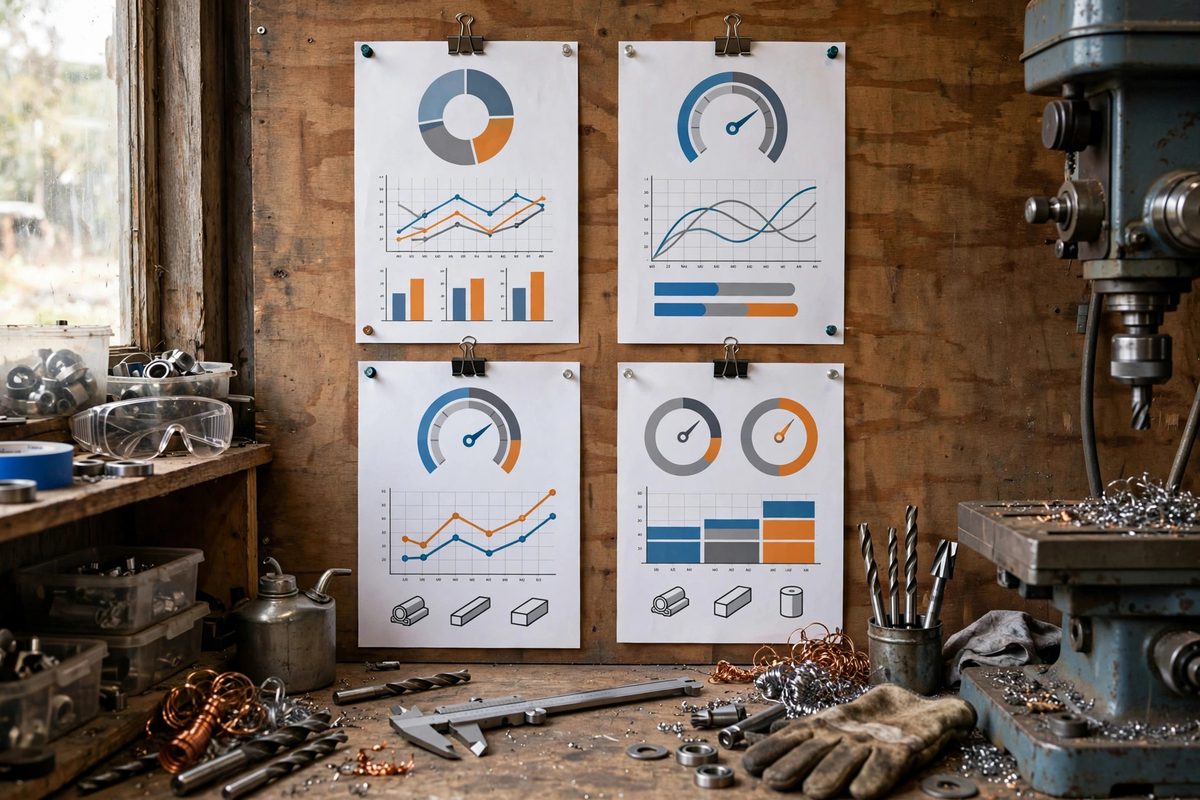
Why wall cards beat memory and phones
Speed selection involves a small calculation, surface feet per minute converted to RPM for the tool diameter, that nobody wants to do mid-operation with a cutter waiting. Memory is unreliable across the range of materials and tools a shop handles; the number remembered is usually the last one used, not the right one. Phones work but break workflow: unlocking, finding the app, and typing with dusty hands is friction that encourages skipping the check entirely. A wall card at eye level next to the machine removes all friction: the operator glances, sets the speed, and cuts. The card's value is not the information, which exists in many places, but the availability of the information at the moment of decision.
What belongs on the card
A machine speed card needs the essential inputs organized for instant lookup: material categories down one axis, tool types or diameters along the other, and the recommended speed at each intersection. Include the surface speed basis the numbers derive from, so knowledgeable operators can interpolate for unlisted cases. Add the feed guidance where it matters, since speed without feed is half the equation, at least as qualitative guidance. Keep the card to one page per machine; a card that requires flipping or squinting will not be consulted. Use large, high-contrast type readable from the operator's position, and organize for the most common cases first: the eighty percent of work should be findable in seconds, with the exotic cases present but not prominent.
Standardizing across the shop
Standardization means every card in the shop works the same way: same layout, same material categories, same units, same visual language. An operator moving from the mill to the lathe to the drill press should find the same card logic at each machine, differing only in the machine-specific numbers. This consistency builds the habit of checking; when every machine has its card in the same place with the same format, consulting it becomes automatic. Assign one person ownership of the card system, responsible for keeping the numbers current and the cards legible. Cards maintained by everyone are maintained by no one; ownership is what keeps the system alive past its first month.
Getting the numbers right
The speeds on the card must be trustworthy, which means deriving them from solid sources and validating them in practice. Start from published surface speed recommendations for the materials and tooling the shop actually uses, converted correctly for the machine's speed ranges; a card recommending speeds the machine cannot achieve teaches operators to ignore it. Adjust for the shop's reality: rigid industrial machines can run book speeds, while lighter machines may need moderation, and the card should reflect what works on these machines, not theoretical optimums. Note any special cases directly on the card: reduced speeds for deep holes, for interrupted cuts, or for the shop's known-quirky tooling. A card that acknowledges reality earns trust; a card of pure theory earns indifference.
Format, durability, and placement
Build the cards to survive the shop: laminate them or print on synthetic stock, since paper cards near machines become unreadable within weeks. Mount them at eye level, adjacent to the speed controls, where the glance path is natural; a card mounted across the room might as well not exist. Light the area adequately; a card in shadow is a card unused. Date each card and review the numbers periodically, updating for new tooling, new materials, or lessons learned. When a card is updated, replace all copies; an outdated card beside a machine is worse than none, because it carries the authority of the system while giving wrong numbers.
Building the habit
The best card system fails if nobody looks at it. Introduce the cards with a brief walkthrough, showing operators how to read them and inviting corrections; operators who helped refine the numbers trust them. Make checking the card part of the machine setup routine, alongside workholding and tool checks. When someone runs a wrong speed, the conversation should be did you check the card, asked without blame, which reinforces the system rather than the individual. Over time, the cards do more than prevent errors: they teach. Operators who consult the card daily internalize the speed relationships, developing the judgment that eventually lets them handle the cases no card covers.
Standardize machine speed cards across the shop: one consistent format, honest validated numbers, durable construction, placement at the controls, and single ownership. The card's job is to make the right speed the easiest choice. When checking becomes habit, the whole shop cuts better.
Related Guides
- Feed and Speed Reference Charts for Shop Displays: Every shop with a mill, lathe, or drill press needs feed and speed numbers at the point of use, not buried in a handbook across the room. A wall
- Standard Machine Tool Feed Charts for Shop Display: Feed and speed charts are the shop wall's quickest reference: glance up, find your material and tool size, and dial in a starting point instead of
- Metric to Imperial Machine Conversion Dial Chart Layouts: Many shop machines speak metric while the project speaks imperial, or the reverse. A conversion dial chart, a circular slide-rule-style reference
- Standard Tap and Drill Clearance Chart Typography: A tap and drill chart is one of the most consulted references in any shop that cuts threads, and also one of the most abused by bad typography. A